

Behavioral Health Patient Responsibility Resources
Practical guidance on workflow, documentation, reporting visibility, and respectful financial communication in behavioral health.

Who Owns Patient Responsibility Across the Behavioral Health Financial Journey?
Drawing on more than 14 years in behavioral health, Freddy Khalil explains how patient responsibility can become unowned as accounts move from benefit verification through claim adjudication—and what clear ownership requires before admission, during care, and after adjudication.

The Source of the Leakage
Healthy AR and cash results do not show whether the underlying workflow was repaired. Leakage persists when preventable problems enter the patient financial workflow without an owned step for catching them.

Follow the Number
A stage-by-stage assessment for tracing patient responsibility from the first financial conversation through the final balance—and locating where the number, the conversation, or the next step disappears.

What Happens After The First Financial Conversation?
The first financial conversation may happen in admissions. Whether it carries forward depends on who is expected to inherit the record—and when.

Resolution Is Not the Same as Closure in Patient-Responsibility Work
Account age and payment activity do not reveal whether an account is progressing, being held deliberately, closed under client parameters, or resolved. The record must explain the difference.
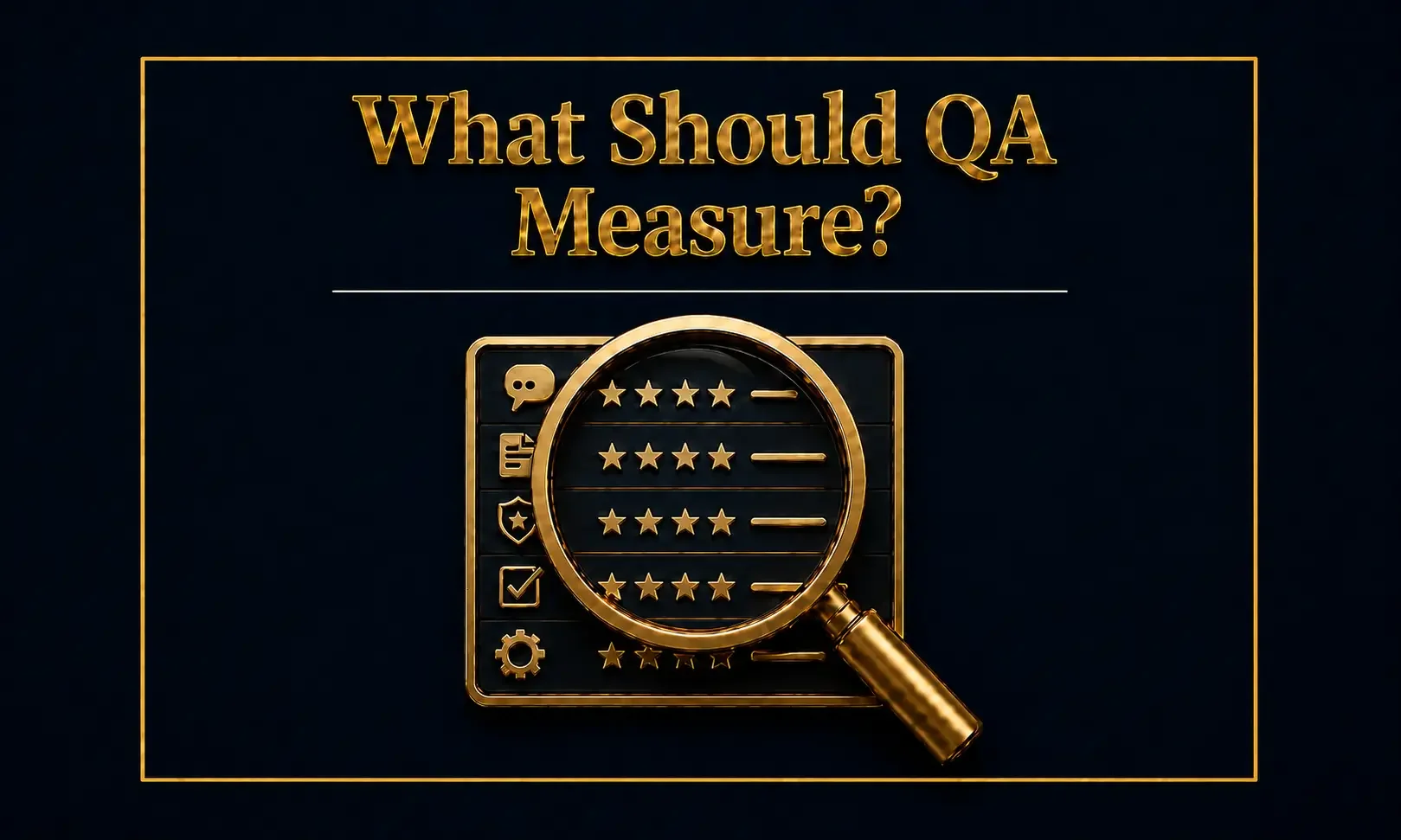
What a Patient-Responsibility QA Review Should Measure
Patient-responsibility QA should examine communication, documentation, authority, follow-through, and the workflow surrounding each interaction—not only calls or payments.

Does Patient Cost-Share Outreach Deter Admission/Readmission?
In behavioral health, the greater risk is often not thoughtful outreach, but silence around a statement. This article explains how disciplined financial communication can preserve trust, support follow-through, and help keep the door open for future care.

The Post-Adjudication Ownership Gap in Behavioral Health
Patient responsibility often becomes clearer after adjudication. A defined workflow carries earlier conversations forward, assigns ownership, documents outcomes, and keeps the next step visible.

When a Claim Is Denied, Who Decides What Happens to the Patient Account?
A denied claim does not determine what happens to the patient account. This article examines how unclear routing, unwritten standards, and the absence of a documented financial conversation can leave an account without an approved next step.

Verification of Benefits vs. Final Patient Responsibility
Verification of benefits can help set expectations, but it is not the same as final patient responsibility. Confusing the two can create avoidable communication, workflow, and documentation problems.

Patient Responsibility & How it’s Calculated
Follow a fictional in-network behavioral health treatment episode to see how a remaining deductible, coinsurance, and an out-of-pocket maximum shape patient responsibility from detox through PHP. The example shows when responsibility stops accumulating and covered treatment continues without additional patient cost.

How to Explain Patient Balances Without Damaging Trust
Explaining patient balances well is not just a financial task. In behavioral health, it also affects trust, clarity, and whether the conversation feels structured or damaging.

Payment Plan Coordination in Behavioral Health: What Good Process Looks Like
Payment-plan discussions often happen without a consistent structure for communication, follow-up, documentation, and decision authority. Stronger coordination helps make the process clearer for both leadership and patients.

What Defensible Documentation of Balance Resolution Efforts Looks Like
A record of outreach is not always the same as a defensible record of process. Stronger documentation helps clarify what occurred, what barriers arose, and what should happen next.

Download The GAC Overview Brochure
A concise overview of Grace Advocacy & Compliance’s approach to patient-responsibility communication, documentation, workflow visibility, and structured support in behavioral health.